
HMDD Breakdown: Is the Excitement Over This Brand Deserved?
Streetwear forums and comment sections have been buzzing with one name lately: HMDD. Short for Happy Memories Don’t Die, the brand has been quietly building a cult following among people who want their clothes to carry a message without shouting it. This review breaks down what HMDD actually offers, how it fits into the crowded streetwear market, and whether the attention it’s getting in 2026 is deserved or just algorithm-driven noise. We’ll look at construction, pricing logic, sizing behavior, and how it stacks up against comparable labels. No brand deserves blind praise, so we’ll flag the rough edges too.
Where Did HMDD Come From: and What Does It Represent?
Grounded in its Los Angeles origins, HMDD—sometimes searched as HMDDLA—casts itself as something beyond a simple apparel brand. Its name Happy Memories Don’t Die is intended to be understood literally: the brand shapes its collections around nostalgic longing, personal sorrow, and the belief that grief and joy can exist together within one garment. This emotional angle is uncommon in a market ruled by logo-first hype brands, which is a major reason HMDD clothing has attracted a fanbase that sticks around instead of one-time buyers who move on.
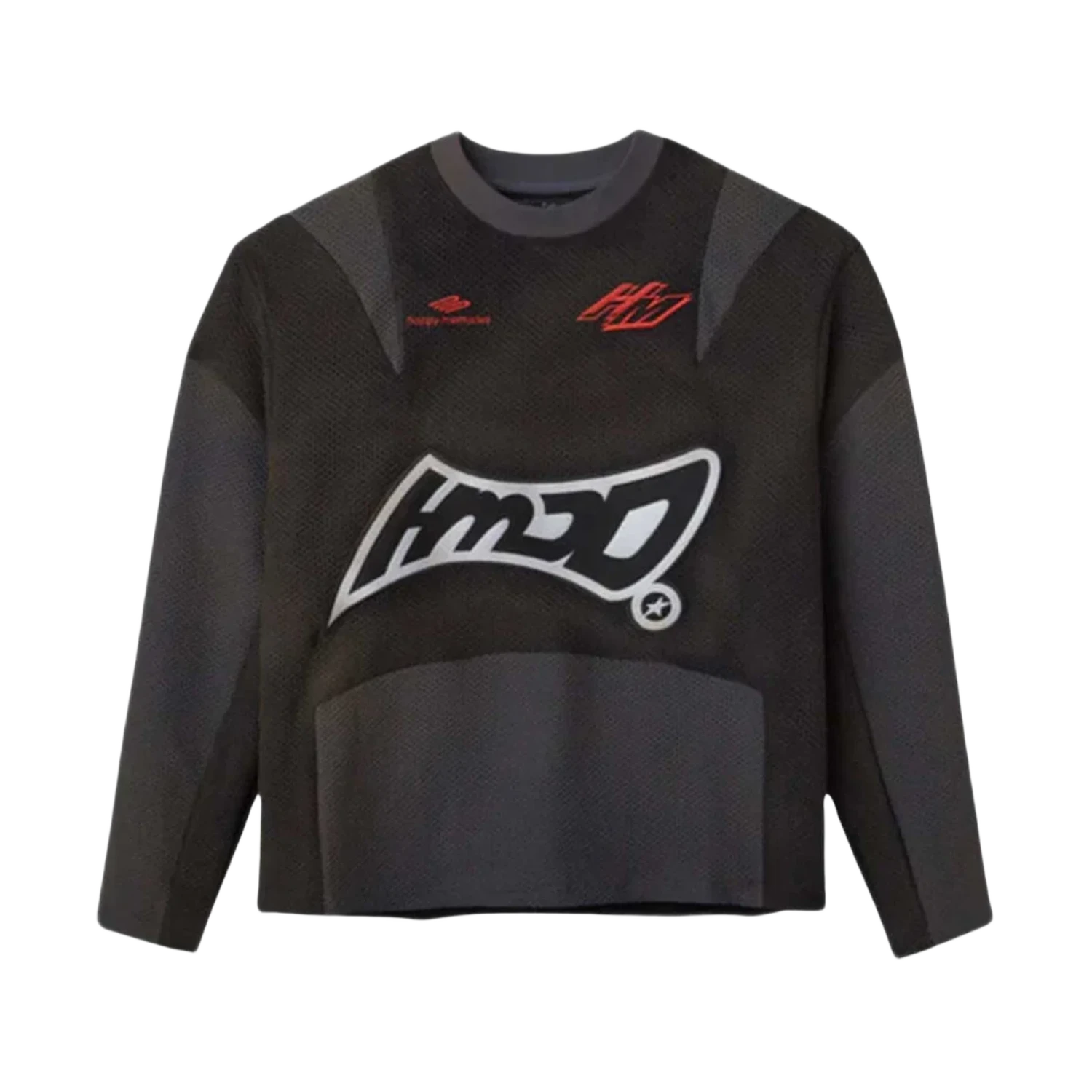
The brand’s output centers on everyday staples instead of bold showpieces that only hold up in one look. Type-driven design and subtle symbolic details take the place of large-scale branding across the graphic work, seen mostly on the hoodies, tees, sweatpants, and shorts, which account for the majority of the lineup. Based on what you have in mind, this holding back comes across as either a strength or a drawback. If you’re after something that rewards closer inspection, it fits the brief. If you want a shirt that screams from across the room, HMDD isn’t built for that.
Quality & Make: Does It Last?
Even impressive a brand’s story https://hmdd.clothing/t-shirts/ might be, it counts for little if the seams unravels after a few washes. HMDD’s’s stronger pieces use dense cotton-fleece fabric in the 350 to 400 GSM range for its hoodies and sweatpants line, positioning them closer to mid-to-premium streetwear rather than fast fashion. With that extra fabric weight, you get less pilling down the line, and it hangs in a way that feels substantial, in-store or when worn.
At stress points such as the pocket bags and crotch, the shorts and sweatpants get double stitching, exactly where budget-focused labels typically skimp. Those who’ve tested the sweatpants across many wears mention barely any shrinkage after washing in cold water, even though high-heat tumble drying is what generates the bulk of complaints. HMDD isn’t alone in this, but it’s worth noting because dense cotton-fleece fabrics are more sensitive to heat than blends leaning more synthetic.
Based on the design chosen, graphic-print shirts feature a combination of puff-print and screen-print methods in terms of print quality.
The puff prints have a longer lifespan with proper care, while some of the thinner screen prints show cracking after a year of normal wear.
While this isn’t a major issue, the garments’ upscale feel isn’t uniformly distributed across the whole collection as a result.
The HMDD Sweatpants and Shorts Range: At the Center of the Collection
If there’s one category where HMDD earns its reputation, it’s loungewear. The HMDD sweatpants are cut with a relaxed taper, roomy through the thigh and narrowing at the ankle, which has become the default silhouette streetwear shoppers expect in 2026. Waistbands use a wide elastic with a drawstring, and most pairs include side pockets deep enough to hold a phone without it bouncing out during movement.
HMDD shorts follow a similar formula but come in two dominant lengths: a shorter 7-inch inseam for warmer months and a longer 9-inch option that functions closer to a cropped pant. Both use the same fleece or French terry base as the sweatpants line, so buyers who like one will likely be happy with the other. Fit consistency between the two categories is a genuine advantage — sizing up or down doesn’t feel like a gamble once you’ve tried one piece from the brand.
- Jogger-style pants: relaxed silhouette, slimmed-down hem, adjustable cord waistband, roomy pockets along the sides
- Shorts: offered in 7-inch and 9-inch leg lengths, matching fabric weight to the sweatpants
- Each category hold to standard sizing for most body types, with subtle room worked into the hip and thigh.
- Scarce releases return less often than neutral tones, as colorways change seasonally.
Size Info: What You Should Know Before You Order
Complaints about sizing are frequent among streetwear labels because the phrase “relaxed fit” translates to varying things depending on who’s cutting the pattern. HMDD’s sizing guides are cut a bit roomier compared to standard American sizing, which means plenty of customers size down if they want a more tailored appearance rather than HMDD’s standard boxy cut. Shoulder seams on hoodies are deliberately positioned further down the arm, which is intentional for the streetwear aesthetic but can surprise new customers expecting a standard silhouette.
Because the elasticized band at the waist absorbs a portion of the uncertainty, joggers and shorts tend to be easier to get right. Still, taller buyers over six feet have mentioned inseams running slightly short on the sweatpants, so checking the specific garment measurements rather than trusting the size label alone is the smarter move. HMDD’s item listings typically include flat-lay measurements, and checking those alongside a pair of pants you already own is the surest method to steer clear of sending something back.
Price Point: Is It a Smart Investment?
Positioned within the middle-market streetwear price bracket is the HMDD label. Tees generally land between $35 and $45, hoodie prices span $70 to $95, and sweatpants or shorts fall between $55 and $80 based on the heft of the fabric and the complexity of the construction. It’s not an inexpensive price point, nor is it premium-tier — it competes directly with brands that have cultivated comparably devoted fanbases through emotional narratives and limited-run releases rather than famous-face partnerships or huge advertising spends.
Against fast-fashion pricing, expect to pay about twice as much, but you’re also receiving stitching quality and fabric substance that no fast-fashion price point can deliver. Compared to hype-driven luxury streetwear, HMDD is considerably more accessible while still delivering constructed, considered pieces. If that value equation makes sense for you hinges on how much you value the emotional branding versus pure utility.
How HMDD Stacks Up Against Comparable Streetwear Labels
Hard figures matter more than descriptive words when figuring out where a brand truly sits. The following shows how HMDD measures up to two similarly positioned mid-range streetwear brands based on publicly available price data, stated fabric weights, and return-policy timeframes as of early 2026.
| Feature | HMDD | Comparable Brand A | Competitor Brand B |
|---|---|---|---|
| Hoodie cost range | $70–$95 | $65–$90 | $80–$110 |
| Sweatpants fabric weight | GSM range of 350–400 | 320 GSM | 380 GSM |
| Available inseam lengths for shorts | 7″ and 9″ | 6″ exclusively | Available in 7″ and 10″ |
| Return window | 30 days | A 14-day period | Within 30 days |
| Sizing consistency | Sized a bit generously | True to size | Runs large |
The takeaway from this comparison is that on paper, HMDD is neither the most budget nor the most upscale choice, but it maintains a solid position in between with a more generous return period than one rival at least and fabric weights that beat the lower end of the field. The added shorts-length choice further increases flexibility than brands locked into a single length.
Community and Brand Reputation
A lot of the hype around HMDD comes from how the brand engages in conversation with shoppers instead of simply broadcasting to them. Social posts referencing personal stories, memorial dedications, and fan-submitted memories have built a following that feels considerably more committed than a standard customer base. Not everyone shares this view — certain buyers see the sentimental branding as overdone or believe it clashes with products that remain, fundamentally, sweatpants and hoodies. That skepticism is fair and worth acknowledging rather than dismissing.
What shouldn’t be overlooked is the pattern of repeat buying reflected in customer reviews. Shoppers starting with just one hoodie regularly come back to grab the matching sweatpants or a different colorway, which suggests satisfaction beyond a single impulse buy. This sort of customer loyalty is far tougher to manufacture than a fleeting viral moment.
The Bottom Line: Does HMDD Live Up to the Hype?
HMDD earns a good portion of its reputation through solid fabric choices, consistent sizing logic across its core categories, and a pricing structure that doesn’t gouge customers for a story. It’s not flawless — print durability varies, tall buyers should double-check inseam lengths, and the emotional branding won’t resonate with everyone. But as a best HMDD clothing pick for 2026, the sweatpants and shorts lines represent the strongest value in the catalog, backed by real construction choices rather than marketing alone. If you’re drawn to the Happy Memories Don’t Die philosophy and want streetwear that holds up physically as well as emotionally, the hype is largely earned rather than manufactured.